Bread all over the place
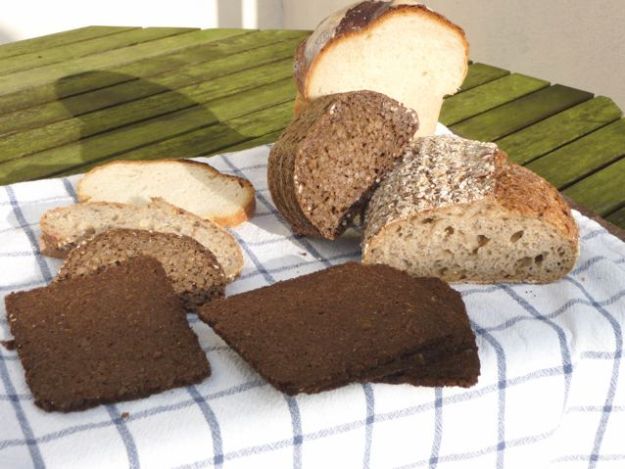
Here is the current crop of breads at home spread out in the watery November sunshine between showers of rain.
From back to front:
Dan Lepard’s delicate milk loaf, good for toast, holding poached eggs and Brian’s favourite white bread.
A 7 seeded bread from Marks Bread in Bedminster. I’m working my way through his breads to see what they are all like. This is one is a nice, nutty seedy bread.
My Horst Bandel rye bread – you’ve met before!
Westphalian Pumpernickel kindly sent to me by Ulrike who is a Mellow Baking friend for me to compare with the Horst Bandel rye bread.
I eat them all but Brian will only eat the first two and he is not too sure about the seeds, though he will eat rye bread if it has caraway in. So I couldn’t ask anyone else’s opinion here. I am not particularly good at describing tastes but I will give it a shot…
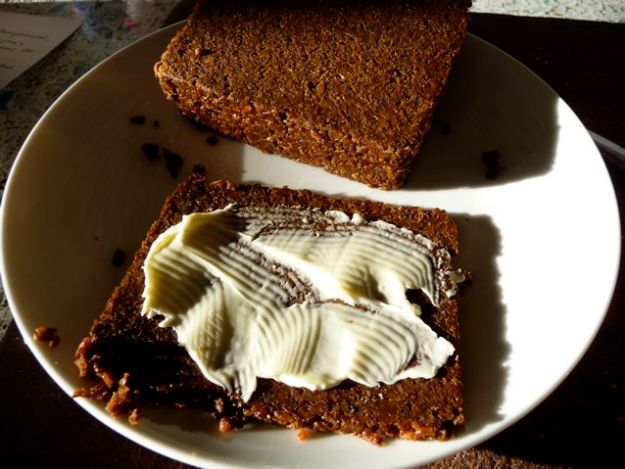
Taste test
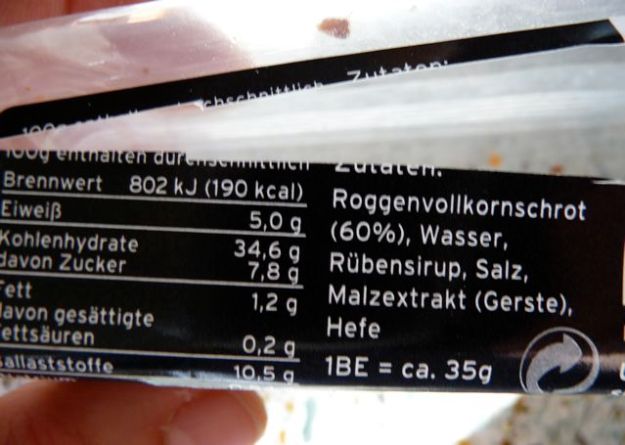
What's in the Westphalian Pumpernickel?
Pumpernickel to a German bread eater means exactly this bread, dark and sweet, soft and dense, made only of very coarse ground rye (meal or Schrot), molasses, malted rye,* water, salt and yeast and baked for a very long time indeed. Looking at this bread it is quite distinctive and it has a unique texture and taste.
At a guess it doesn’t include whole grains soaked and boiled like the Jeffrey Hamelman bread.

Pumpernickel close up
Taste wise I am biased towards my own breads. I think that’s because I am used to them. My version of the Jeffrey Hamelman recipe is more chewy and grainy and it has a sourer taste too, which might be down to the long second prove it had this time round. It is not as sweet as the traditional pumpernickel, but then it only baked for about 5 hours as opposed to 20! My bread reminds me of the Danish and German Vollkorn breads more with its paler colour and chunkier texture.
What’s really interesting is I just Googled to see what was available here and look here is an export Pumpernickel from the same German company with an English label which is slightly different. It doesn’t mention molasses and has slightly less rye content. Do you think it has been ‘tweaked’ for the English market? I know all manner of products are changed slightly to make them more acceptable when they travel abroad, it looks as if pumpernickel does that too.
I have a similar reaction to Ulrike’s when I come across bright orange plastic cheese called Cheddar in, say, a Canadian supermarket. But apparently my Cheddar is only one sort of Cheddar, my sort has a special title ‘West Country Farmhouse Cheddar’ . OK, I didn’t know that, thanks Wiki! I suspect that not many people outside the food production world know that certain names are protected or have to be phrased in a particular way. Cheddar is just another word for a medium hard cheese to most people.(My favourite Cheddar ever by the way is made by Keens with unpasteurized milk.)

A little Keens Cheddar on Beer Bread
Only cheese produced and sourced in the English counties of Somerset, Devon, Dorset, and Cornwall may be given the Protected Designation of Origin name “West Country Farmhouse Cheddar”.[3]
Maybe they should do the same for Westphalian Pumpernickel? I am sure it would count as a TSG if not a PGS. You can find out more about this complex area of protected names here on Wikipedia. I looked up Pumpernickel on the DOOR database but I couldn’t find it, though I did find Nurnberger Lebkuchen !
Do you have a treasured foodstuff that has been changed completely in its travels across the world?
Edit : * Jacqueline has given a great translation of the label below in her comment. Thanks Jacqueline!


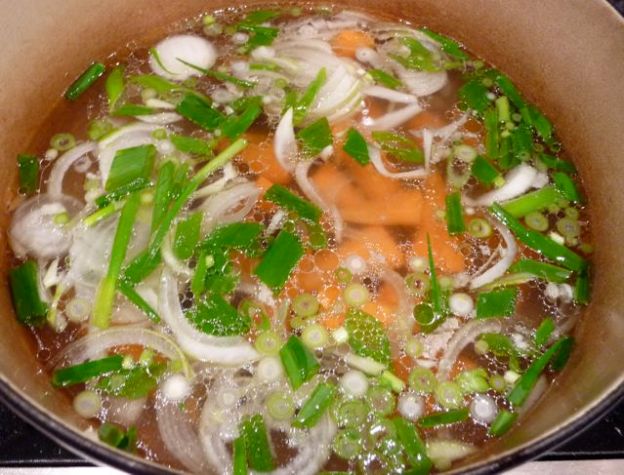
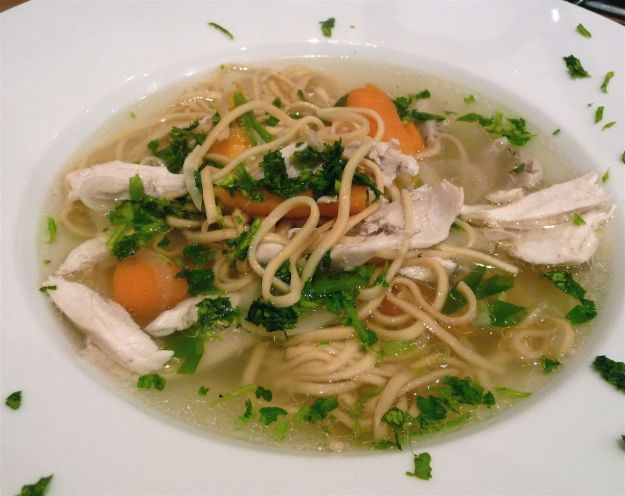 I wish I took better food photos because this soup represents a huge ‘Aha!’ moment for me. Celia posted the recipe for this soup a little while ago on her blog. I have to confess I was sceptical, part of me knew it was wrong to be sceptical as it clearly worked but… even so…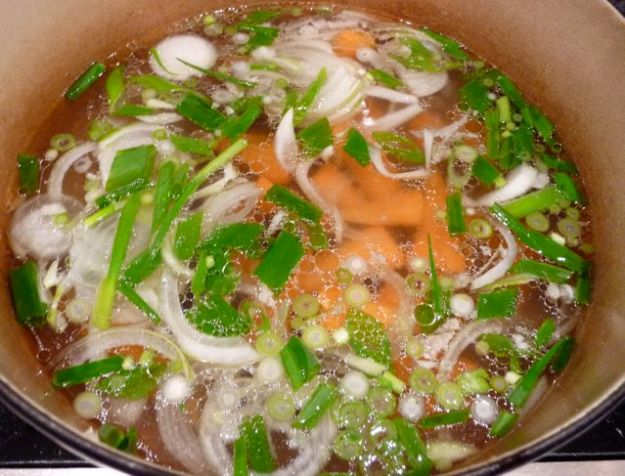
 Zeb Bakes