
Surprisingly I found recipes for every sort of fruit curd under the sun on the internet and in my cook books but not for this so I have winged it and thought I’d share what I did.
For this recipe I have given the weight of cooked puréed de-stoned damsons. I think you need about 600-650 g fresh fruit to get this quantity.
The damsons I used were (I was told by Neil whose field they were growing in) a variety known as Zwetschgen in Germany. They are bigger than the bullet like damsons and much smaller than the ones I have seen in the green grocers sometimes called damson plums. I am no expert in the many varieties of damsons. But you can always research more and read all about them on various sites like Wikipedia.
These ones were about 2.5 cms in length, dark, fat and ripe with a bit of give to the flesh. And, though tart, sweet enough to eat raw without making your mouth pucker.
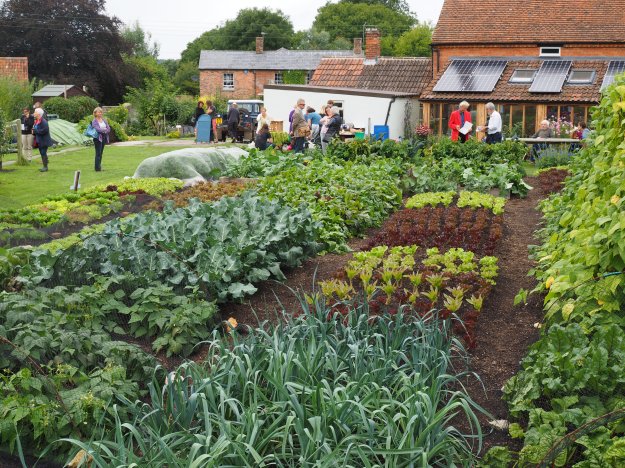
 I picked these ones with a volunteer friend from the Community Garden at Blaise who lives near the Old Severn Bridge at Aust and happens to have a field lined down one side with glorious damson laden trees and blackberries. Who could resist an invitation to pick damsons? Not me!
The only drawback with damsons is their little stones and there are various ways to deal with them, you need patience!

damson curd
Joanna’s Damson Curd
per batch
Makes 4 7oz jars
500g of cooked and puréed unsweetened damsons
125g unsalted good butter
300g caster sugar
3 eggs + 1 egg yolk
Wash and gently cook the fruit in as little water as you can get away with. A slow simmer rather than a full boil. I cooked down about 2 kgs of fruit in a couple of cms of water. Don’t add sugar at this point.
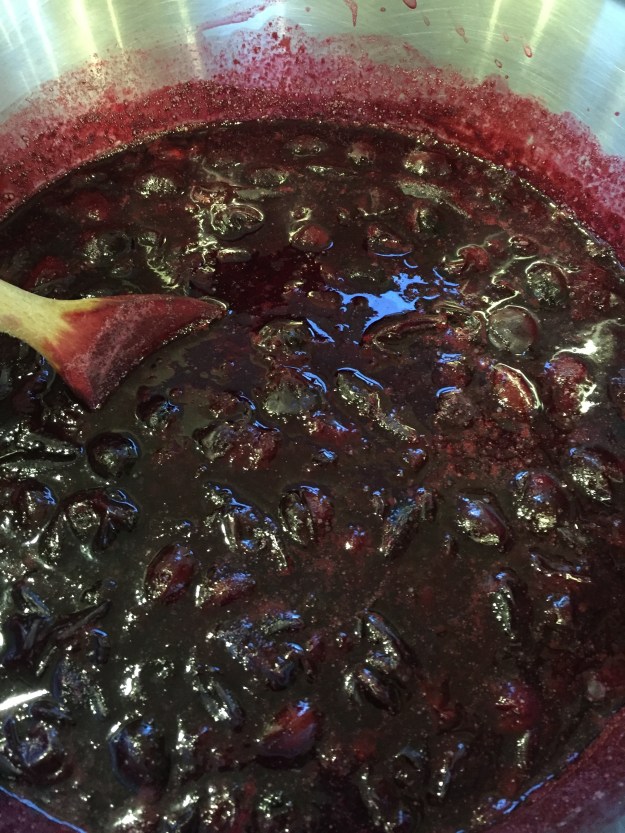
When the skins are soft remove the stones by hand and either put the fruit pulp in the fridge or freeze it for another day if you have as much as I did or carry on as follows:-
If you have a food mill (I have one made by Good Grips which gets a lot of use) then pass the fruit through that as it will also help find any sneaky stones as well as breaking the cooked fruit down into a purée. You can also use a traditional sieve and back of a wooden spoon to press the fruit through and prepare the purée.
Wash the jars in hot soapy water, rinse, and put on a tray in a warm oven to sterilise. Put the lids in a small pan of boiling water till just before needed.
Crack the eggs into a small bowl and whisk lightly.
In a Bain Marie or a double saucepan put the butter, sugar and fruit purée and stir over a gentle heat till the butter is melted. If using a bowl over a saucepan remember not to let the bowl touch the water. Keep the heat on low all the way through this process.
Whisk the eggs in and keep whisking and stirring the mixture until it thickens enough to coat the back of a spoon, this can take about ten minutes. Take your time and keep the heat low or you get scrambled fruit egg! Fruit curds continue to thicken up as they cool.
Pot up, screw the lids on, leave to cool, label with a two week use by date and a note to keep in fridge as this has a relatively short fridge shelf life. A good one to share with friends!

Use the curd to fill cakes, tarts, slather on crumpets and toast, in desserts, eat out of jar very quickly so the photo blurs…
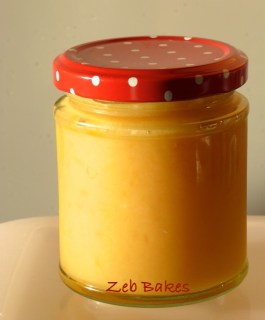
PS I have totally forgotten I have blogged about making fruit curd before. So if you want a recipe for citrus curds read the old post. I. Have. Totally. Forgotten. So if I repeat myself that is because I am getting old and forgetful.
And I think it is that long (three years) since I last made it too. And such a pity as I love it so much!


 Zeb Bakes