
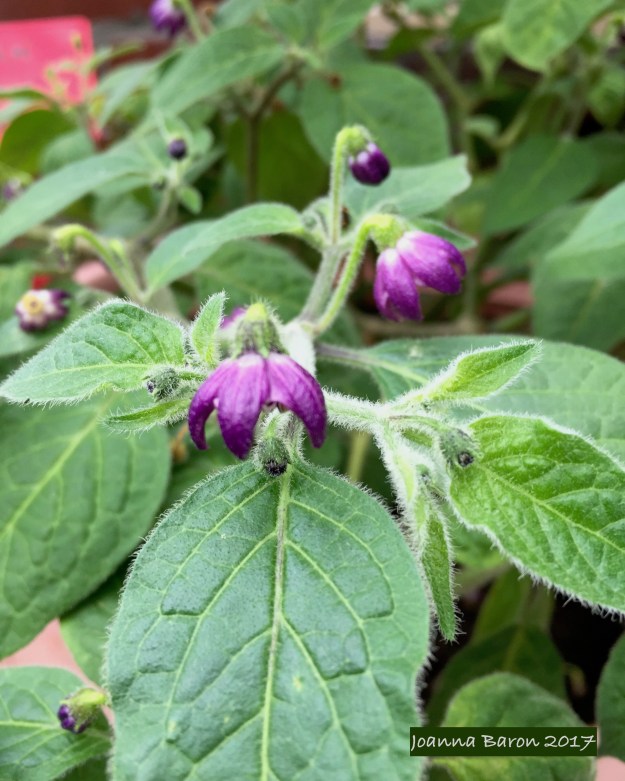
 This rather gorgeous chilli plant is known in Peru as rocoto. Sometimes it is called the hairy chilli, think of a pubescent boy! And Wiki tells me it will have black seeds which distinguish it from other species of chilli. Thanks to Rhizowen for confirming the id too!
It will overwinter providing it is protected from frost and its stems become woody, so it is also sometimes called a tree chilli and can live up to 15 years!
Neil and Jo were lucky enough to be gifted a two year old plant by Henleaze Garden Shop for Blaise Community Garden – HGS is an independent garden centre where the owner and family grow all sorts of unusual plants in their greenhouses , sharing Neil’s chilli passion – at the back of the shop – and thus are able to offer something different to their customers as well as the stock that comes in from nurseries. Henleaze Garden Shop is next to the Tesco garage on Henleaze High Street and always worth a visit as it is packed with plants and is a genuine local family business.
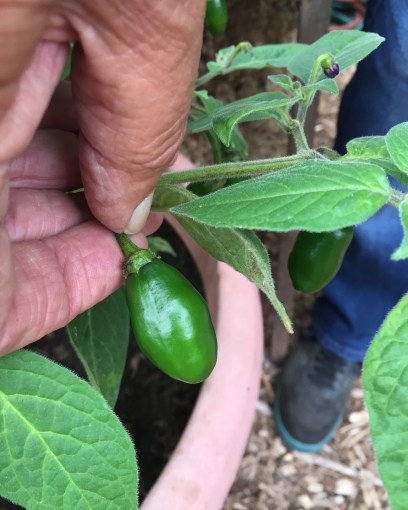
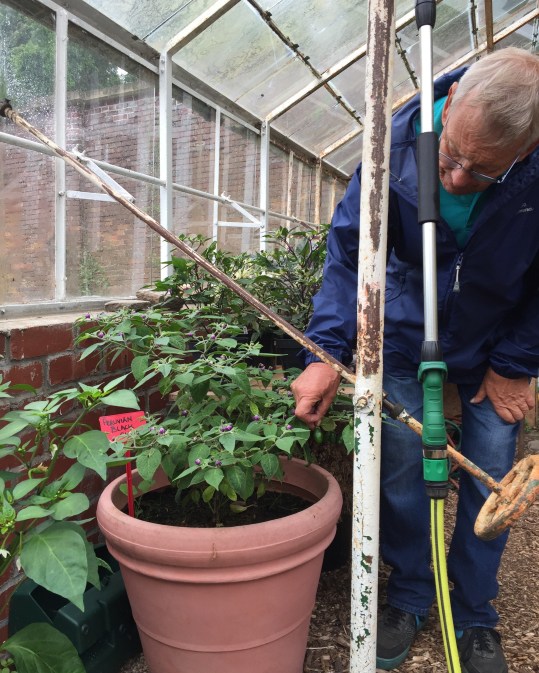
The Blaise plant is being lovingly tended by Neil in Greenhouse 1 and at the moment is flowering and setting fruit. When fully ripe the fruit will be red and resemble a small bell pepper. Jo has been told it is a hot chilli with a short burst of heat! Can’t wait to try it!
From Wikipedia :
Like all other species of the genus Capsicum, plants of the species Capsicum pubescens grow as a shrub, but sometimes as climbing plants. They grow into four-meter woody plants relatively quickly, and live up to 15 years, which gives them, especially with age, an almost tree-like appearance.[10] After a first impulse is formed, the plant branches at a height of about 30 cm for the first time, and forms during growth by further dividing into a bushy appearance. More shoots develop from the leaf axils. Some varieties have purple discoloration on the branches, as can be observed in other Capsicums pecies. The leaves have a 5–12 mm long petiole and a leaf blade ovate to 5–12 cm long, 2.5 to 4 cm wide, tapering at the top and the base is wedge-shaped.[11]
In addition to the relatively long life, Capsicum pubescens differs in many other characteristics from related species.
Flowers
The flowers appear singly or in pairs (rarely up to four) on the shoots, and the branches are at about 1 cm long flower stems, which extend on the fruit to around 4–5 cm. The calyx has five triangular pointed teeth, which have in the fruit a length of about 1 mm. A characteristic different from other cultivated species of the genus Capsicum is the blue-violet-colored petals, brighter in the centre. The anthers are partly purple, partly white.[7]
PS I found this on the Scoville Scale ( I am growing Anaheim at home this year because I am a wimp!)
Joanna Baron July 2017
Update December 2017
I thought I would update this with some photos of the ripe fruits and a simple recipe for making a red pepper sauce which you can make as hot or as mild as you like and then freeze in little quantities for later use.
By the end of August the first of the fruits were ripening and ready to harvest. The plant was heavy with fruit and its stems would snap off occasionally under the weight.

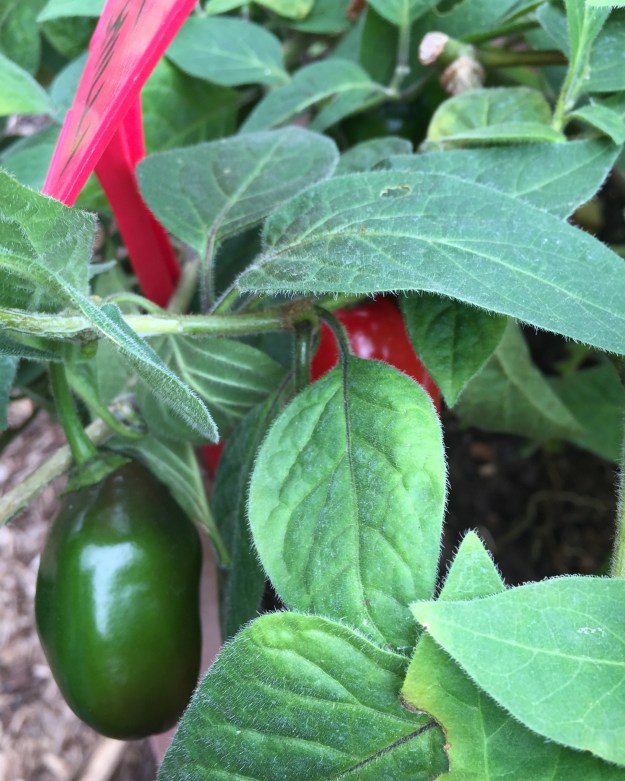 They are ovoid and smooth and have thick fleshy walls and black seeds

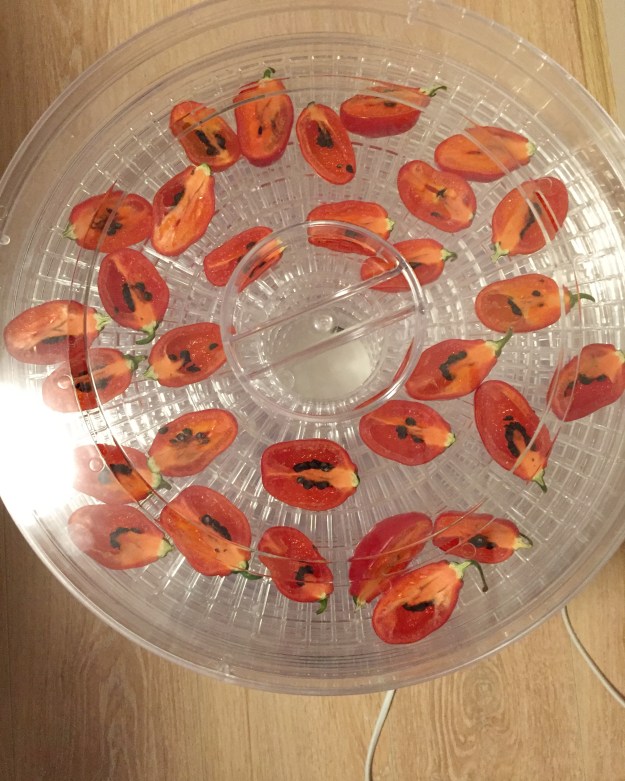
I dried some of them for Neil using a dehydrator, cutting them in half as otherwise it would take forever.
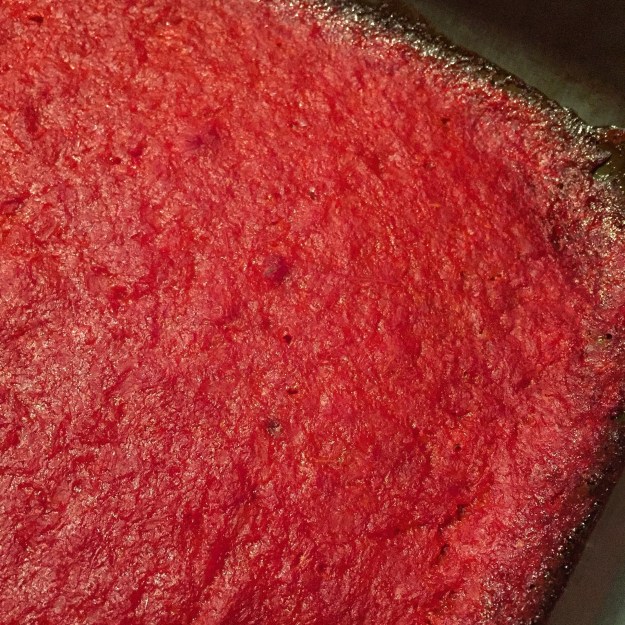
and I made a version of Turkish pepper paste with just one of them (!) and about a kg of sweet red peppers. To do this you roast the peppers and the chilli whole in the oven till the skin is blackened and soft, skin the fruits, and remove the seeds and then pulp the roasted flesh to a smooth paste, add salt to taste, spread on a tray and put back in the oven to darken and become thick and sticky. Then scrape off the tray and store in little pots. It is a fabulous base for dishes like Enzo the Bride red lentil soup, recipe in Sally Butcher’s Veggistan book, adding sweetness, piquancy and heat.


 Zeb Bakes