
Apple Bonanza Autumn
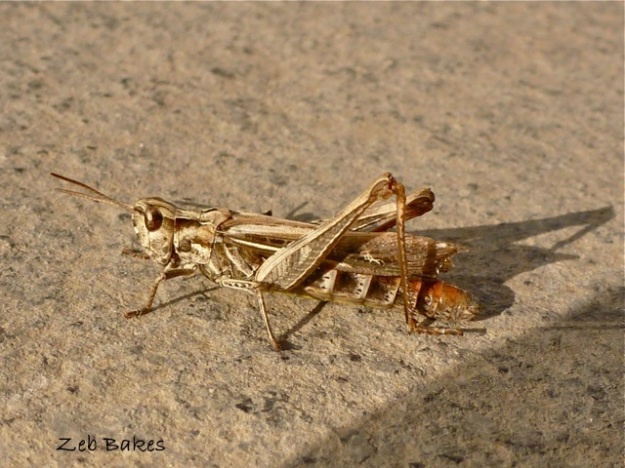
A rare sight in my garden in October. I know these little guys are common elsewhere in the world but not in my patch….
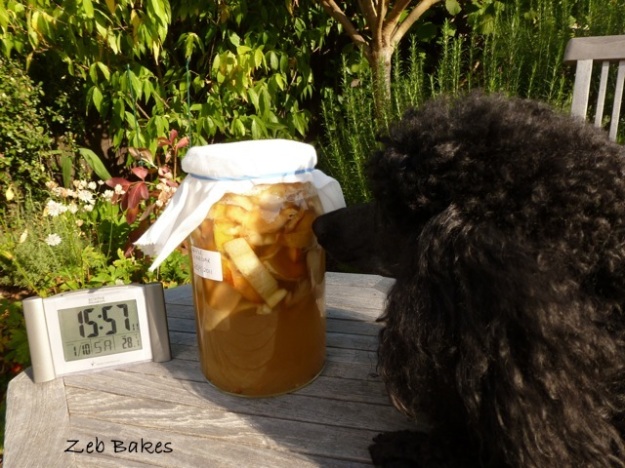
In case you were wondering, the apple cider vinegar saga started in the latter part of this post has rumbled on gently for a month; from our heat wave in the early part of the month till the cooler wetter weather we are currently enjoying the house has been swamped with apples.
The fruit flies have been and gone, lured into the laundry room by the sweet smell of sugary apples, only one managed to fall in one morning – now the first batch is on the way to becoming vinegar slowly but surely. I have a second batch of apples bubbling away cheerily, a small sup of home made cider in the mornings definitely wakes you up!
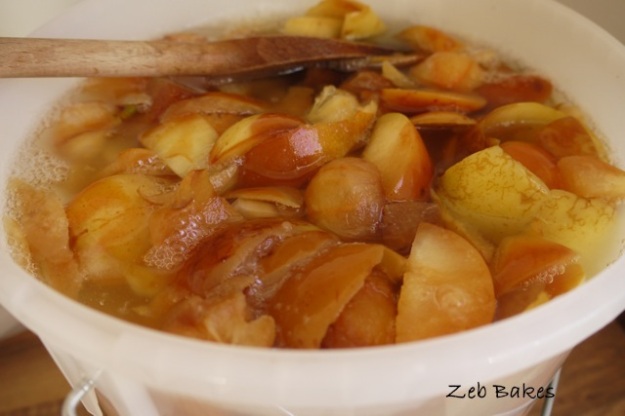
We peer in most mornings and have a sniff to see how it’s changed and it’s coming along nicely.
Vinegar production, from what I understand from conversation and a little bit of reading, is a slow process and relies ultimately on acetobacter landing on the liquid to convert any alcohol to vinegar.
Like many of these fermentation projects the trick is to get the right bacteria in there at the right point in the process, so like sourdough starters, sometimes it’s good to have a little help from your friends.
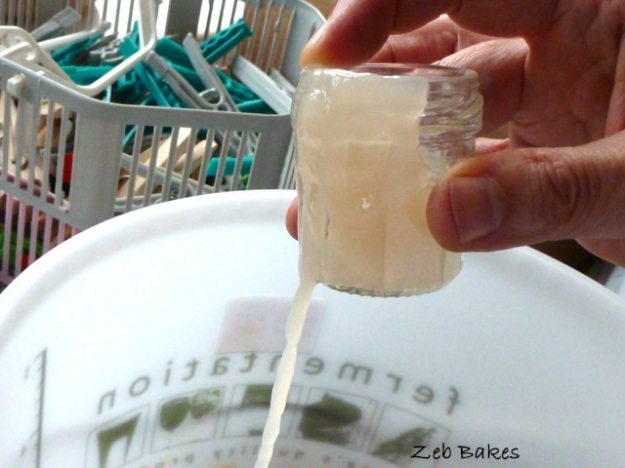
I was given some acetobacter (it looks like a semi translucent bit of jelly) by Mitch and popped it into the brew and it is working beautifully. I asked a cider seller at the local market whether they had it, but he looked shifty and claimed that vinegar took five years to make and was less than helpful on the subject. Maybe some special aged balsamic variety takes that long and I have no doubt that vinegar matures and evolves over time too, but it would seem possible to get something serviceable within a few months. For much more detail and delightful writing on this exciting process I recommend visiting Miskmask’s Vinegar Diaries now on Day 30. and also the guy who kickstarted us all making it, Carl Legge whose blog is looking very smart, all kitted out in its new theme.
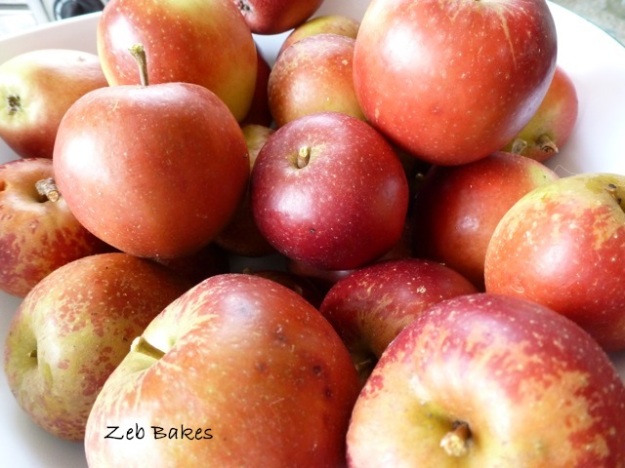
My neighbours’ apple trees are still chucking them down and I still keep getting gifted more. It has been an outstanding season for apples here, the long mild autumn weather allowing fruit to ripen fully on the trees.
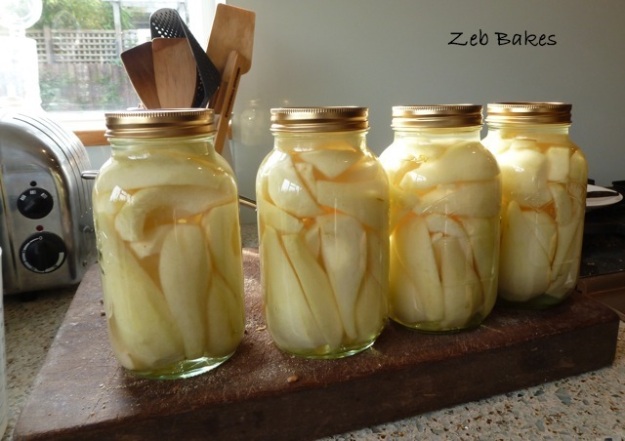
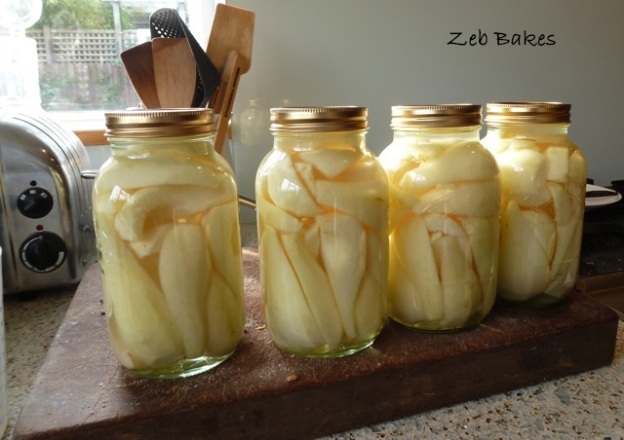
Over last weekend we finally dealt with the outstanding Concorde pears from our garden tree. We peeled and quartered them, left them in a bowl of salted water with citric acid while we puzzled over the mysteries of the screw top Kilner jars, and I think, hope, have successfully managed to bottle six big jars of garden pears in a vanilla sugar syrup. Brian took on the job of packing, saying it reminded him of Meccano. I think he did a great job! We followed Pam Corbin as usual from her book Preserves and used an oven water bath method.
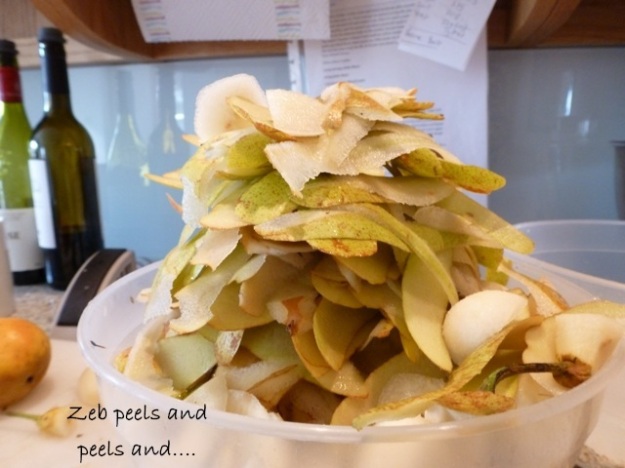
While slowly doing this I thought about the women who must have spent weeks preparing and bottling fruits not so many years ago. I grumble at peeling pears for an afternoon, I don’t know if I could do it for days and days at a time, but if needs must then one finds a way I suppose and the satisfaction from knowing you have preserved something you have grown yourself, even in relatively small quantities as a townie like me does, is immense.
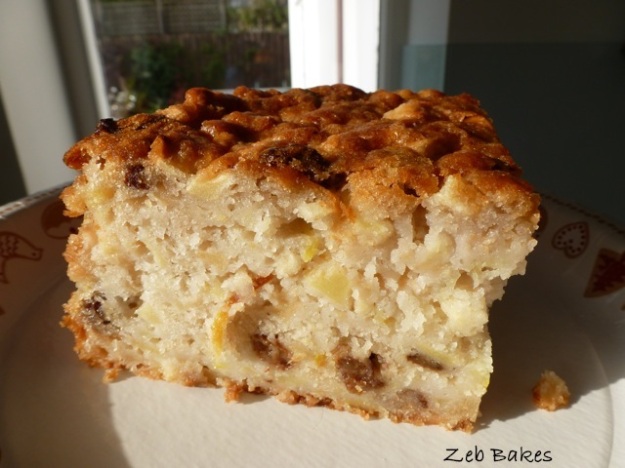
I also made a lovely olive oil and apple cake – quite different in texture from the Ottolenghi cakes I made recently and much simpler in method, though it does take an age to prepare the fruit if you’re me, easily distracted. This cake’s recipe was shared by Carla Tomasi on Facebook and is based on an Anna del Conti recipe so it has an excellent lineage. I hope I did it justice. Carla has kindly put the recipe on her new blog here.
It uses a huge quantity of fresh fruit and has a wonderful light pudding texture. I have put one in the freezer and distributed others to the neighbours who promptly give me more apples back in return. Hey ho. Apples everywhere.
NB I found some left over chopped apple from this cake in the fridge, I had doused them in lemon juice and they had kept well. I fried them in some bacon fat, Mr Misk Style, and slapped them with the bacon between two pieces of sourcream sandwich bread and a 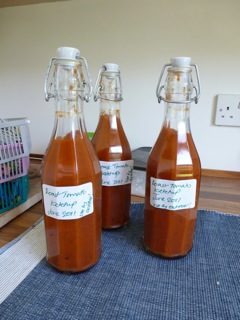
dollop of home made tomato ketchup, again the recipe for that is in the Pam Corbin book and several people have blogged their versions. Please see the comments on this Tomato passata post if you want to follow this up.
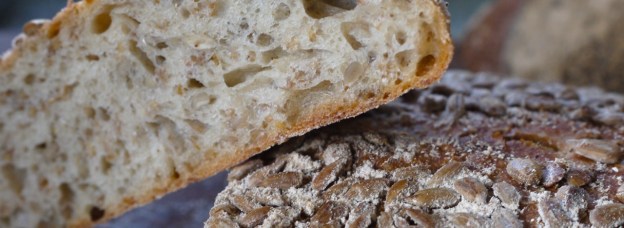
Jeffrey Hamelman’s Sunflower Seed Bread with Paté Fermentée
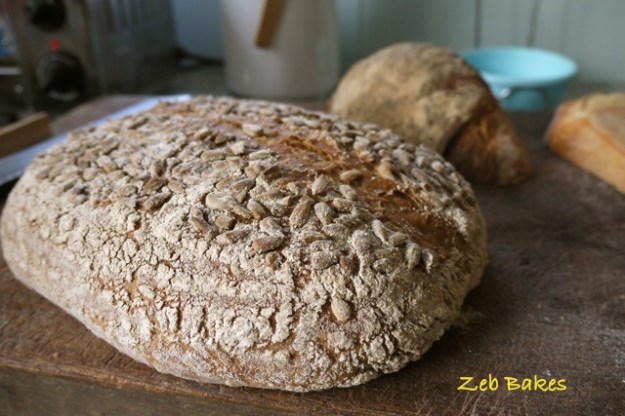
I recently made the Sunflower Bread with Paté Fermentée from Jeffrey Hamelman’s book Bread as I have got a bit behind lately with Mellow Bakers, the group that is slowly but surely doing its best to bake all the recipes in the book. This is one of those breads that is full of grains, so if you are a seedy person then it’s another variation to try.
I am not quite sure why this one came out so flat in profile. When I sliced into it it was reasonably aerated and I don’t think it was overproved, but it didn’t do much in the way of rising at any point so I think it was the load of grains, soaked chopped rye, sunflower seeds and some linseed that I added as I was short on sunflower seeds.

So far it’s been fine, but maybe this bread could have done with ten per cent very strong flour in the mix to give it a bit more lift. I was using Shipton No 1 for the flour in this one. Who knows? I’ll have to check out what the others made of this one when I post the link over on the Mellow Bakers forum. It’s been a while since I made a seeded loaf and I think there are other recipes which are less faff than this one and give you a similar if not better result than this one.
I also bake these breads at a lower temperature than Hamelman gives, simply because I don’t like these grainy breads to have very hard crusts. Any grains that are in the crust area then get super hard and are not pleasant to eat unless you have the teeth of a rodent. More people crack teeth on hard grains in bread than anything else according to my dentist. The trademarked ‘Granary’ in the UK being the worst culprit for this or so she says, not my words, hers!

I am not convinced that just soaking the chopped rye (which forms a hefty component of this dough) in cold water for four hours softens them enough either. Another time I would use warm water or gently simmer them to make sure they soften up and maybe soak them overnight in some fruit juice or ale as Dan Lepard does to great effect in his grain breads in the Handmade Loaf.
All the same this made a moist and tasty seedy loaf that improved in flavour and texture on the second day and was lovely with a rasher of middle cut bacon.

The sun came out for this shot!
Just a footnote: I wrote a couple of posts about this book (which is my second most useful bread book) a while back and I also came across this thread on the Fresh Loaf, which might also be of interest. It seems to imply that the most recent edition has had all the errors corrected. However, the only way to be sure that you get the most recent edition is to check the printing number at the front, and if you are ordering from an online supplier, they may well have old stock.
Patée Fermentée – For some reason this bread made with five different grains came out gloriously – so have a peek at that one if you want to see seedy loveliness!
 Zeb Bakes